Reviewing the 4th of July Mega Bundle for Real Projects
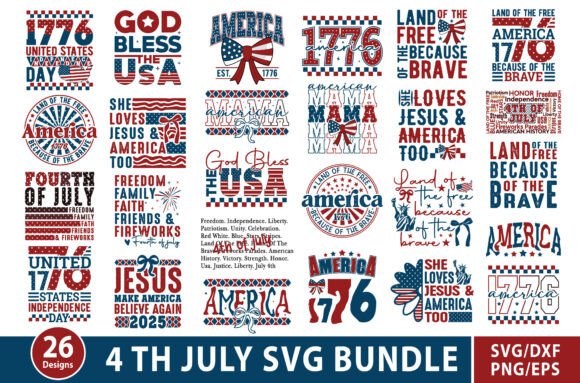
As a designer who spends more time at the hoop than anywhere else, I approach holiday collections with a mix of excitement and skepticism. We all know the rush of patriotic season, but not every 4th of July Mega Bundle translates well from a screen to actual fabric. When I first opened this collection, my immediate goal wasn't just to admire the aesthetics; it was to determine if these Graphics could hold up under the needle for a serious embroidery project. The mood here is distinctly retro, leaning into that nostalgic Americana vibe that has taken over boutique shops lately. It feels less like a generic flag wave and more like a curated vintage poster, which is exactly what modern customers are looking for in a handmade product.
First Impressions: Shape, Layout, and Stitch Potential
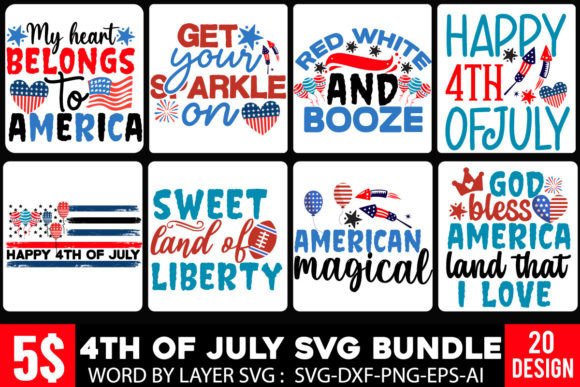
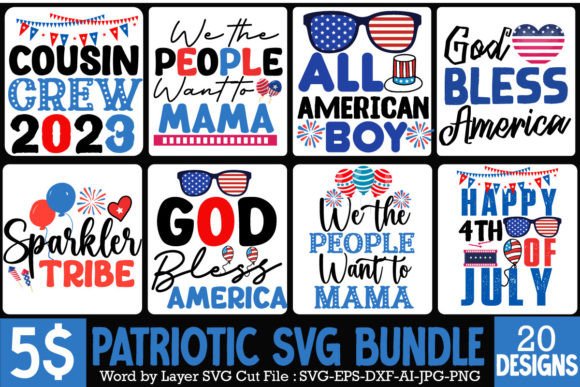
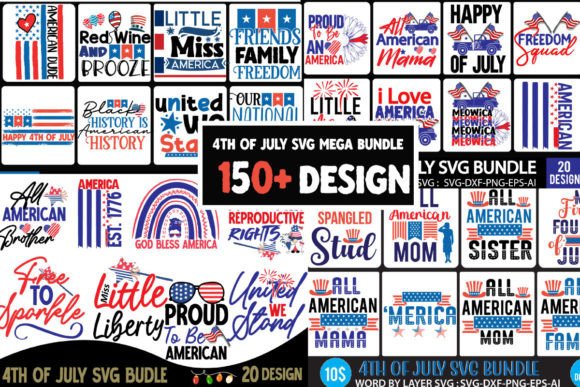
The visual personality of this bundle is strong. The shapes are bold, which is a good sign for embroidery. Intricate, wispy details often get lost in thread, but the layouts here seem designed with clarity in mind. While the product description highlights these as a 4th of July SVG Bundle and Sublimation Bundle, us stitchers have to think differently. We aren't printing ink; we are building texture. The "Retro png" elements suggest distressed textures that might look great on a sublimated t-shirt but require careful digitizing if you plan to stitch them. If you are using these as a base for a machine embroidery design, you will need to ensure the distressing doesn't turn into a mess of jump stitches or excessive trimming.
The color palette implied by the "America png" and "Usa Sublimation" tags is classic red, white, and blue, but the retro styling suggests muted tones or cream backgrounds. This is crucial for thread colors. A bright, neon red might clash with the vintage aesthetic, so I would recommend swapping standard reds for brick or rust tones to match the design's intent. The layout feels versatile enough for a central chest logo on a sweatshirt embroidery job or a pocket accent on a denim jacket.
Real-World Application: From Digital File to Finished Goods
To truly test the value of the 4th of July Mega Bundle, I imagined a specific scenario: a local boutique owner needs a run of custom tote bags and aprons for a upcoming craft fair. She wants something that screams "summer picnic" without looking cheap. This is where the bundle shines. The designs fit perfectly on a tote bag design canvas. Because the shapes are relatively solid, they would work beautifully as an applique design. Using a linen or canvas base with a contrasting satin stitch border would elevate the perceived value of the item immediately.
For those running an Etsy seller shop focused on custom apparel, these assets are gold mines for holiday embroidery. Imagine a set of matching family shirts. The "fourth of july svg" elements can be scaled down for children's sizes without losing their identity. However, if you are selling these as T-Shirt Designs for print-on-demand, the resolution of the PNGs is key. For embroiderers, the focus shifts to how the design sits on curved surfaces. A cap project would be tricky with large, wide layouts, but smaller badge-style elements from the bundle could work perfectly on a structured twill hat.
I also see potential in home decor. A pillow cover or kitchen towel featuring one of the simpler icons from the bundle makes for a fantastic personalized gift. The key here is fabric choice. These designs demand a fabric with enough body to support the stitching. A heavy cotton or a textured canvas will make the fill stitch areas pop, whereas a flimsy poly-blend might pucker around the dense sections.
Navigating Technical Challenges and Fabric Choices
While the artistic merit is high, we must discuss where caution is needed. Not every graphic in a mega bundle is ready for every hoop. If you are working with small hoop sizes, you may need to isolate specific elements rather than stitching the entire composition. Detailed corners in retro fonts can be problematic; if the digitizing isn't tight, those sharp points can become rounded blobs of thread. Always inspect the small lettering before committing to a full production run.
Fabric texture plays a massive role here. On stretchy fabric like jersey knits, a dense design from this bundle could cause significant distortion. You would absolutely need a cut-away stabilizer to maintain the shape after washing. Conversely, on dark fabric, the lighter elements of the "America png" style designs might need an underlay of white thread to prevent the background color from bleeding through and muting the reds and blues. This is especially true if you are attempting to replicate the sublimation look with thread; opacity is harder to achieve with stitching than with ink.
Curved surfaces, such as caps or rounded pouches, require extra attention. The stitch density in the center of these patriotic emblems might be high. If the design is too dense, it can create a stiff, board-like feel that is uncomfortable to wear. For a baby embroidery project, like a onesie or bib, you must ensure the back of the stitching is covered or soft enough not to irritate sensitive skin. In these cases, simplifying the design or using a lighter fill pattern might be necessary.
Maximizing Value and Professionalism
Using the 4th of July Mega Bundle effectively comes down to execution. A well-stitched version of these designs enhances brand consistency and customer trust. When a buyer sees clean edges and appropriate thread tension, they perceive the finished product as high-quality. This directly impacts your ability to charge premium prices for your small shop product lines. Whether you are creating an embroidered patch to sell individually or decorating a bulk order of blankets, the clarity of the stitch work defines your reputation.
For digital product sellers, these files offer great utility for creating printable mockup previews. Showing your clients how the design looks on various garments can boost buyer engagement. However, remember that a mockup is not the final reality. The tactile nature of embroidery adds a dimension that flat graphics cannot match. Leveraging this by photographing the actual texture of the satin stitch and running stitch details will make your marketing far more effective.
Practical Notes for the Working Designer
Before you load this digital embroidery file into your machine, there are essential steps to take. First, always test the design on scrap fabric that matches your final material. Check the thread color contrast against both light and dark backgrounds to ensure readability. Review the stitch density settings; if the design feels too heavy, consider reducing the fill percentage slightly to improve drape.
Confirm your hoop size capabilities. Some of the larger panoramic layouts in the bundle might require re-hooping or splitting the design if your machine has limitations. Inspect small details closely—tiny stars or thin script lines often need manual editing in your embroidery software to stitch cleanly. It is also wise to test the design in a black-and-white view on your screen to check for value contrast; if it looks muddy in grayscale, it might lack definition when stitched.
Finally, verify the licensing terms. While this is marketed as a bundle for creators, always confirm whether the license covers commercial embroidery projects or if there are restrictions on the number of physical items you can sell. Ensure the files provided are compatible with your specific machine format, as the description mentions SVG and PNG, which are often vector or raster formats used for cutting or printing, not necessarily native embroidery files. You may need to digitize these graphics yourself or purchase the specific embroidery formats separately. Taking these precautions ensures that the 4th of July Mega Bundle becomes a reliable asset in your craft business rather than a source of frustration.