Proud to Be an American SVG: A Designer's Review
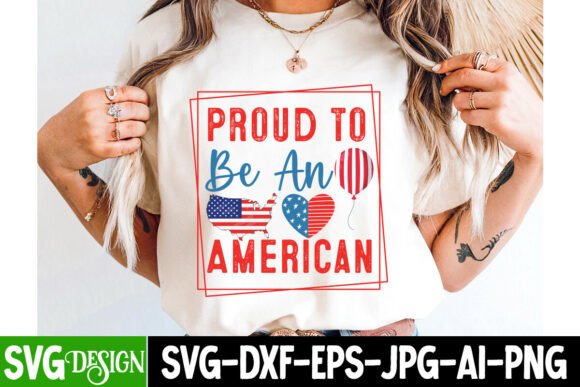
As a designer who spends more time staring at stitch maps than most people spend watching television, I approach every new machine embroidery design with a healthy dose of skepticism. We have all seen those files that look fantastic on a screen but turn into a tangled mess of thread breaks and puckering once they hit the hoop. So, when I pulled up the Proud to Be an American SVG Design from this Retro 4th of July SVG Bundle, my first instinct wasn't to rush to the machine. It was to analyze the lines, the spacing, and the potential for real-world application.
The initial visual impression is one of nostalgic warmth. This isn't a hyper-modern, neon-bright graphic; it carries the weight of vintage Americana. The layout suggests a classic typography-driven composition, likely paired with star motifs or flag elements that scream "Independence Day" without feeling cheap. For those of us creating T-Shirt Designs or Graphics for cut files, the vector clarity is usually the selling point. However, for an embroiderer, the question is always: how does this translate to thread?
Putting the Design to the Test: A Real-World Scenario
To truly evaluate this embroidery file, I imagined a specific project that many of you face this time of year: a custom order for a local boutique needing a run of limited-edition tote bags for a summer market. The client wanted something that felt handmade but professional, avoiding the generic look of mass-produced heat transfers. The Proud to Be an American SVG Design seemed like a perfect candidate for a tote bag design.
Visualizing the stitching process, I considered how the retro aesthetic would hold up on canvas. The bold lines typical of this style are generally forgiving, which is a huge plus. If the design relies heavily on satin stitch columns for the lettering, it will provide that shiny, premium look that customers love. However, if the text is too small or the kerning is too tight in the original SVG, converting it to stitches could result in a muddy cluster of thread. My advice here is to inspect the lettering closely. If you are digitizing this yourself from the SVG, ensure your underlay is robust enough to prevent the fabric from showing through, especially on darker navy or red fabrics.
For a sweatshirt embroidery project, this design shines. The thicker fabric of a fleece or cotton blend provides a stable base for the fill stitch areas, likely found in any star or flag components. The retro vibe pairs exceptionally well with heather grey or cream-colored garments, creating a soft, lived-in feel that appeals to the current market trends. It feels less like a uniform and more like a cherished piece of custom apparel.
Navigating Fabric Challenges and Hoop Limitations
While the design has strong potential, it is not without its constraints. One must be careful when attempting this on textured fabrics like waffle knit or heavy linen. The stitch density required to fill in the patriotic elements might sink into deep textures, losing definition. In these cases, using a heavier cut-away stabilizer is non-negotiable. You want the design to sit on top of the fabric, not disappear into it.
Another critical consideration is the hoop size. Many of these retro bundles are designed with versatility in mind, but if the phrase "Proud to Be an American" is arranged in a wide arc or a long horizontal line, it might not fit in a standard 4x4 hoop. Before committing to a production run of embroidered patches or cap fronts, measure the bounding box of your digitized version. Caps, in particular, are tricky; the curved surface can distort wide designs. If the SVG elements are too spread out, you may need to rearrange them or stack the text vertically to maintain readability on a curved brim.
Dark fabrics present another hurdle. If you are stitching white or light blue threads onto a black background, the contrast is excellent, but the coverage must be absolute. Gaps in a running stitch outline will look like mistakes rather than stylistic choices. Always test your thread colors against the specific fabric batch you intend to use. What looks vibrant on your monitor might appear dull on a specific cotton blend.
Commercial Viability and Brand Perception
For the Etsy seller or craft business owner, the value of a design lies not just in how easy it is to stitch, but in how it elevates the finished product. Using the Proud to Be an American SVG Design correctly can significantly boost customer trust. A clean, well-executed embroidery job signals professionalism. It tells the buyer that this is a handmade product worthy of the price tag, distinct from the cheap imports flooding the market.
This design fits perfectly into several lucrative niches. Beyond apparel, consider its application on kitchen towels for holiday gifts, pillow covers for seasonal home decor, or even baby embroidery on onesies for Fourth of July photoshoots. The key is consistency. If you are building a brand around patriotic goods, ensure that your tension, thread brands, and finishing techniques remain consistent across all items featuring this graphic. This builds brand recognition and encourages repeat buyers.
However, a word of caution regarding licensing is essential. Since this originates from an SVG bundle intended for cut files (Cricut, Silhouette), you must verify the license terms before selling physical goods or digital design assets. Some creators allow personal use only, while others permit commercial sales of finished physical items but prohibit reselling the digital file itself. Never assume; always check the documentation provided with the Retro 4th of July SVG Bundle to protect your small shop product line from legal issues.
Final Verdict and Practical Tips
In conclusion, the Proud to Be an American SVG Design offers a solid foundation for festive holiday embroidery projects. Its strength lies in its thematic clarity and versatile retro styling. To get the best results, treat the SVG as a starting point, not the final word.
- Test first: Always stitch out a sample on scrap fabric identical to your final material.
- Check density: If the design feels too dense, reduce the fill percentage slightly to prevent stiffness.
- Contrast matters: Ensure your thread choices pop against the fabric background.
- Stabilize correctly: Match your stabilizer to the fabric weight; do not skimp here.
- Verify rights: Confirm commercial usage rights before listing items for sale.
When executed with care, this design transforms simple blanks into meaningful personalized gifts and high-value merchandise. It captures the spirit of the season without sacrificing the quality that discerning customers expect from true artisans. Whether you are making a single gift for a family member or stocking inventory for a craft fair, this graphic deserves a spot in your library—provided you respect the technical demands of turning pixels into perfect stitches.